
Recognizing Prenatal Depression Early: Warning Signs During Pregnancy
"I thought I'd feel nothing but joy during pregnancy. Why do I feel this way?"
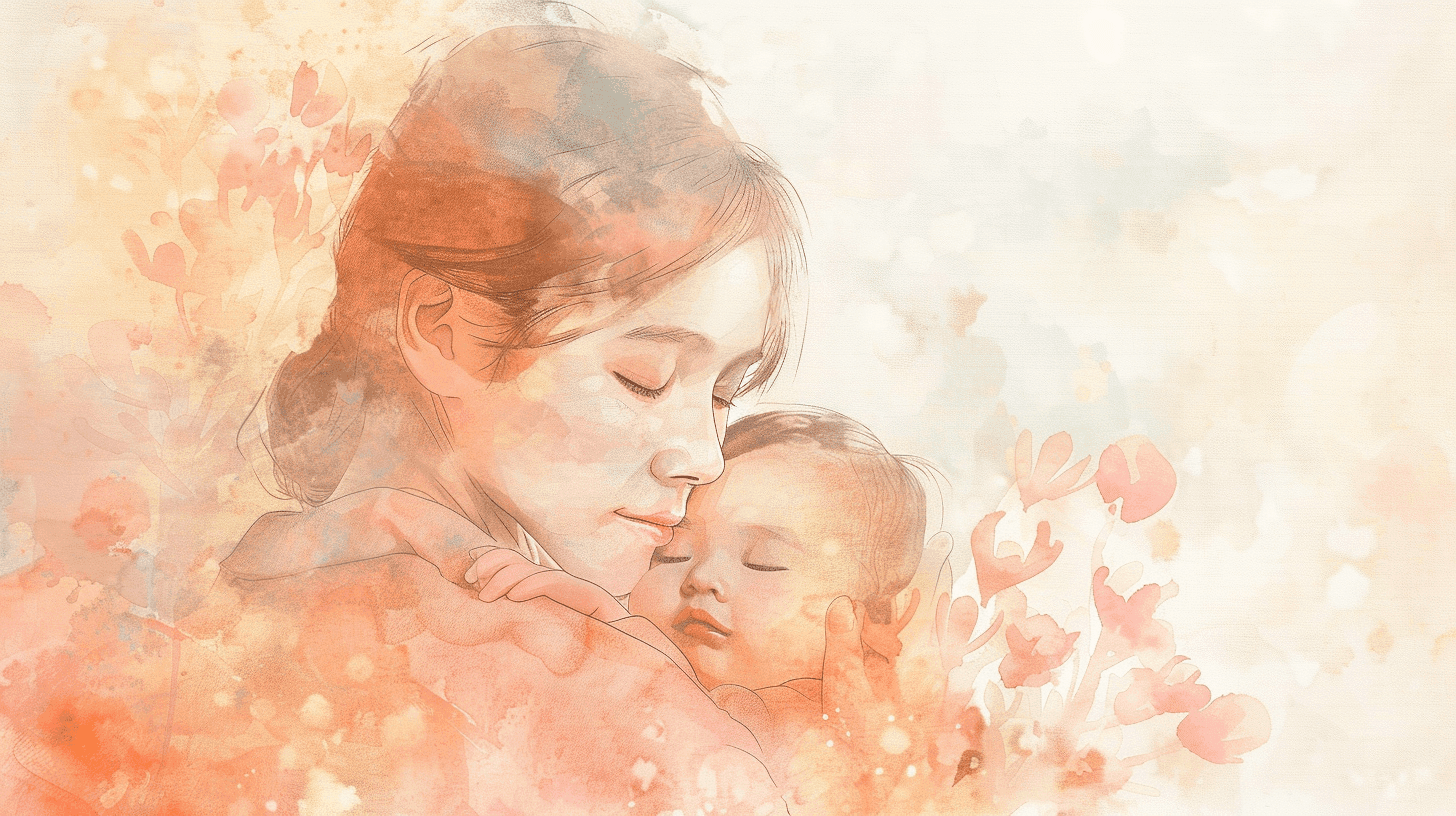
You're supposed to be "glowing." Excited. Overjoyed. Instead, you feel empty, anxious, or overwhelmed by sadness. You wonder if something is wrong with you. After all, pregnancy is supposed to be one of the happiest times of your life.
Prenatal depression (also called antenatal depression) affects 14-23% of pregnant women, but it's dramatically under-recognized and under-treated. Most people know about postpartum depression, but fewer realize that depression during pregnancy is just as common and even more predictive of postpartum struggles.
What Is Prenatal Depression?
Prenatal depression is a mood disorder that occurs during pregnancy, characterized by persistent sadness, anxiety, or emotional numbness. It's not "pregnancy hormones" or "just stress"; it's a clinical condition that requires recognition and treatment.
Key Facts About Prenatal Depression:
- Prevalence: 14-23% of pregnant women (higher than postpartum depression rates)
- Peak onset: Second trimester (though can occur any time)
- Often undiagnosed: Symptoms dismissed as "normal pregnancy emotions"
- Predictive: Strongest predictor of postpartum depression
- Treatable: Early intervention leads to better outcomes for mother and baby
"I felt so guilty. I wanted this baby. I planned for this pregnancy. Why couldn't I feel happy? I thought something was fundamentally broken in me. It wasn't until my midwife screened me at 20 weeks that I learned prenatal depression was a real thing, and that I wasn't alone."
Elena, mother of one, experienced prenatal depression starting at 18 weeks
Prenatal vs. Postpartum Depression: What's the Difference?
| Aspect | Prenatal Depression | Postpartum Depression |
|---|---|---|
| Timing | During pregnancy | After birth (up to 1 year) |
| Prevalence | 14-23% | 10-15% |
| Recognition | Often dismissed as hormones | More widely recognized |
| Screening | Inconsistent (improving) | Standard at 6-week checkup |
Warning Signs of Prenatal Depression
Recognizing prenatal depression early is challenging because many symptoms overlap with normal pregnancy experiences (fatigue, sleep changes, appetite fluctuations). The key difference is intensity, duration, and functional impairment.
Core Symptoms of Prenatal Depression:
- Persistent sadness or emptiness (lasting most of the day, nearly every day for 2+ weeks)
- Loss of interest or pleasure in activities you used to enjoy (hobbies, socializing, sex)
- Excessive guilt or worthlessness ("I'm going to be a terrible mother," "This baby deserves better")
- Difficulty concentrating or making decisions (even simple ones feel overwhelming)
- Fatigue beyond typical pregnancy tiredness (feeling unable to function, not just sleepy)
- Sleep disturbances beyond physical discomfort (insomnia even when comfortable, or excessive sleeping/inability to get out of bed)
- Appetite changes unrelated to morning sickness (complete loss of appetite or significant overeating)
- Thoughts of self-harm or suicide (any suicidal ideation requires immediate help)
- Ambivalence or negative feelings about the pregnancy (wishing you weren't pregnant, regretting the decision)
Prenatal Anxiety (Often Co-Occurs):
Many pregnant women experience both depression and anxiety simultaneously. Anxiety symptoms include:
- Excessive worry about baby's health, birth complications, or parenting ability
- Intrusive thoughts about something terrible happening to the baby
- Panic attacks (racing heart, difficulty breathing, sense of impending doom)
- Hypervigilance about every physical sensation or symptom
- Avoidance behaviors (avoiding baby-related tasks, reading too much medical information, or refusing to plan for baby)
- Physical symptoms (muscle tension, headaches, digestive issues beyond morning sickness)
🚨 When to Seek Immediate Help:
If you're experiencing any of the following, please contact a mental health professional or call the Maternal Mental Health Hotline at 1-833-943-5746 (24/7):
- Thoughts of harming yourself or ending your pregnancy
- Severe panic attacks or inability to function
- Inability to care for yourself (not eating, not attending prenatal appointments)
- Substance use to cope with emotions
- Feeling disconnected from reality
Who Is at Risk? Understanding Your Vulnerability
While prenatal depression can affect anyone, certain factors increase risk. Understanding your vulnerability helps you advocate for screening and early intervention.
Highest Risk Factors:
- History of depression or anxiety (especially previous perinatal mood disorders)
- Family history of depression or mental illness
- Stressful life events (job loss, relationship problems, financial strain, moving)
- Lack of social support (isolation, unsupportive partner, distant family)
- Unplanned or unwanted pregnancy (ambivalence about becoming a parent)
- Pregnancy complications (gestational diabetes, bed rest, high-risk pregnancy)
- History of trauma or abuse (including childhood trauma or intimate partner violence)
- Thyroid disorders (hypothyroidism or hyperthyroidism)
- Difficulty conceiving (IVF, fertility treatments, pregnancy after loss)
Additional Risk Factors:
- Young maternal age (teenage pregnancy) or advanced maternal age (35+)
- Multiple pregnancies (twins, triplets)
- Previous pregnancy loss or infant death
- Chronic medical conditions (diabetes, autoimmune disorders)
- Substance use history
- Poor relationship quality with partner
- Low socioeconomic status or food/housing insecurity
Important note: Having risk factors doesn't mean you'll definitely experience prenatal depression, and lacking these factors doesn't make you immune. Depression can affect anyone during pregnancy.
Screening for Prenatal Depression: What to Expect
The American College of Obstetricians and Gynecologists (ACOG) recommends screening all pregnant women for depression and anxiety at least once during pregnancy. However, implementation is inconsistent across providers.
Common Screening Tools:
Edinburgh Postnatal Depression Scale (EPDS)
Despite the name, EPDS is validated for use during pregnancy. It's a 10-question self-report questionnaire that takes 5 minutes to complete. Scores above 10-13 (depending on provider threshold) indicate probable depression requiring further evaluation.
Your provider should screen at: Initial prenatal visit, mid-pregnancy (around 20 weeks), and third trimester (28-32 weeks)
PHQ-9 (Patient Health Questionnaire)
A 9-item questionnaire assessing depression severity over the past two weeks. Scores of 10+ suggest moderate depression. Question #9 specifically assesses suicidal ideation.
What If Your Provider Doesn't Screen You?
Unfortunately, many OB/GYNs and midwives don't routinely screen for prenatal depression. If you're concerned about your mental health:
- Ask directly: "Can you screen me for prenatal depression using the EPDS or PHQ-9?"
- Self-screen online: EPDS and PHQ-9 are available free online (though not a substitute for professional evaluation)
- Request a mental health referral: Your OB can refer you to a perinatal mental health specialist
- Find your own provider: You don't need a referral to see a therapist (though insurance may require one)
- Trust your instincts: If something feels wrong, advocate for yourself
Why Early Recognition Matters: Impact on Mom and Baby
Untreated prenatal depression doesn't just affect you; it can have consequences for your pregnancy, your baby's development, and your postpartum experience. This isn't meant to induce guilt; it's meant to emphasize why getting help is so important.
Maternal Health Impacts:
- Poor prenatal care adherence (missing appointments, not following medical recommendations)
- Nutritional deficiencies (inability to eat adequately, over-reliance on comfort foods)
- Increased substance use (self-medication with alcohol, cigarettes, or other substances)
- Sleep disturbances beyond normal pregnancy changes
- Higher risk of preeclampsia and gestational diabetes
- Increased likelihood of postpartum depression (50-75% continuity if untreated)
Fetal and Infant Impacts:
- Preterm birth (babies born before 37 weeks)
- Low birth weight (increased risk of developmental delays)
- Altered fetal stress response (elevated cortisol exposure in utero)
- Infant behavioral difficulties (irritability, difficulty self-soothing)
- Attachment challenges (if depression continues postpartum)
- Long-term developmental impacts (language, cognition, emotional regulation, though mitigated by treatment)
The good news: With treatment, these risks are significantly reduced or eliminated. Early intervention protects both you and your baby. Getting help isn't selfish; it's essential for your baby's wellbeing.
Next Steps: What to Do If You Recognize These Signs
1. Talk to Your Healthcare Provider
Schedule an appointment specifically to discuss your mental health. Bring a written list of symptoms if it helps you communicate clearly.
What to say:
"I've been experiencing persistent sadness and difficulty enjoying things for the past [timeframe]. I'm concerned I might have prenatal depression. Can you screen me and discuss treatment options?"
2. Seek Specialized Mental Health Care
A perinatal mental health specialist (PMH-C certified therapist or psychiatrist) understands the unique challenges of pregnancy and can provide evidence-based treatment.
3. Build Your Support System
- Tell your partner, family, or close friends what you're experiencing
- Join a prenatal support group (in-person or online)
- Connect with other pregnant women through apps or local meetups
- Ask for practical help (meals, errands, companionship)
4. Practice Self-Care (Even When It's Hard)
- Prioritize sleep (nap when possible, ask partner to handle nighttime tasks)
- Eat regularly (even if appetite is low, small frequent meals help stabilize mood)
- Move your body gently (prenatal yoga, walking; exercise improves mood)
- Limit social media (comparison is toxic when you're vulnerable)
- Spend time outdoors (sunlight and nature have mood-boosting effects)
- Lower expectations (perfection isn't required; survival is enough right now)
We Specialize in Prenatal Mental Health
At Bloom Psychology, we provide compassionate, evidence-based care for pregnant women experiencing depression and anxiety. Our PMH-C certified therapists understand the unique challenges of pregnancy and can help you navigate this difficult time.
We offer:
- Prenatal depression and anxiety treatment
- Coordination with your OB/GYN or midwife
- Telehealth and in-person sessions in North Austin
- Flexible scheduling including evening appointments
- Safe medication consultation during pregnancy
We typically have appointments available within 1-2 weeks. Early intervention makes all the difference.
Key Takeaways
- Prenatal depression is common, affecting 14-23% of pregnant women
- It's often under-recognized and dismissed as "hormones" or "stress"
- Early screening is critical: ask for EPDS or PHQ-9 at prenatal visits
- Symptoms differ from "normal" pregnancy in intensity and functional impairment
- Untreated depression affects both mother and baby, but treatment reduces risks
- Treatment during pregnancy is safe and effective (therapy, medication, support)
- Getting help protects your baby; it's not selfish, it's essential
Additional Resources
- Maternal Mental Health Hotline: 1-833-943-5746 (24/7, free, confidential)
- Postpartum Support International: www.postpartum.net | Helpline: 1-800-944-4773
- Self-Screening Tools: Free EPDS and PHQ-9 available at PSI Resources
- National Suicide Prevention Lifeline: 988
- Related Article: Treatment Options for Depression During Pregnancy

Dr. Jana Rundle, Psy.D.
Clinical Psychologist | PMH-C Certified
Dr. Rundle is a licensed clinical psychologist specializing in perinatal mental health. She provides evidence-based treatment for prenatal depression and anxiety, working closely with OB/GYNs and midwives to ensure comprehensive care for pregnant women.
Medical Disclaimer: This article is for informational purposes only and does not constitute medical advice. Prenatal depression is a serious condition requiring professional evaluation. If you're experiencing symptoms of depression during pregnancy or having thoughts of self-harm, please contact your healthcare provider or call 988 immediately.
If you're supposed to be 'glowing' and instead you feel empty or flooded with sadness, please know this isn't just pregnancy hormones or a gratitude problem. Prenatal depression is a real clinical condition, more common than most people realize and highly treatable—and catching it early protects both you and your baby. You don't have to earn help by getting worse first. Learn how we treat perinatal depression in Austin, or book a free consult and talk to someone who takes what you're feeling seriously right now.