
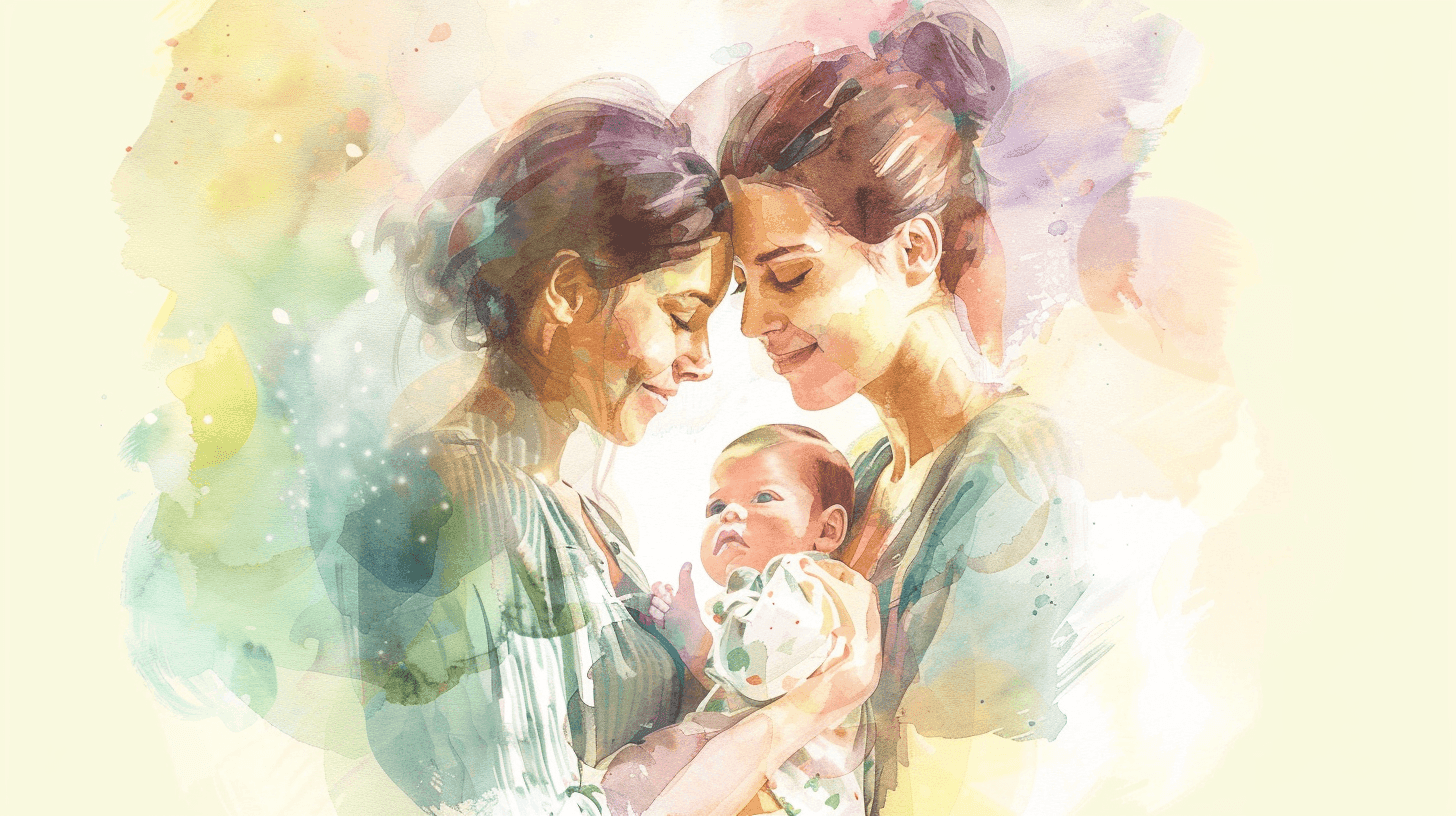
Postpartum Depression in Dads and Non-Birthing Partners: Yes, It's Real
"I thought postpartum depression was just for women who gave birth. Why do I feel this way?"
You're a new dad, or a non-birthing partner, and you expected to feel joy, excitement, maybe exhaustion, but not this crushing darkness. You didn't carry the baby, you didn't give birth, so why do you feel depressed? Anxious? Disconnected? Angry?
Postpartum depression doesn't discriminate by gender or birthing status. Research shows that 8-25% of new fathers and non-birthing partners experience paternal postpartum depression (PPND), also called paternal perinatal mood and anxiety disorders (PMADs). Yet it remains massively under-diagnosed, under-treated, and stigmatized.
What Is Paternal Postpartum Depression?
Paternal postpartum depression (PPND) refers to depression experienced by fathers, non-birthing partners, and adoptive parents during the perinatal period, from pregnancy through the first year after birth. It's not "baby blues for dads" or just "adjusting to fatherhood stress"; it's a clinical mood disorder that requires recognition and treatment.
Who Can Experience Paternal PPD:
- Biological fathers (whether living with the birthing parent or not)
- Non-birthing partners in same-sex relationships
- Adoptive parents of any gender
- Partners of surrogates or in gestational carrier arrangements
- Any caregiver taking on primary parenting responsibilities for a newborn
"I felt like a fraud. My wife just went through pregnancy and childbirth, and here I was, falling apart. I couldn't tell anyone because I thought they'd say 'What do YOU have to be depressed about?'"
Michael, father of one, diagnosed with paternal PPD at 3 months postpartum
The Research: How Common Is It?
The prevalence of paternal PPD varies across studies, but the most robust meta-analyses show:
- 8-10% of new fathers experience PPD overall
- 25% when the birthing partner also has PPD (significant correlation)
- Peak onset: 3-6 months postpartum (later than maternal PPD, which typically peaks at 6-8 weeks)
- Can persist up to 1 year if untreated
Why is the range so wide (8-25%)? Detection depends on screening. Most healthcare systems don't screen fathers or non-birthing partners for PPD at all, leading to massive underdiagnosis. When actively screened, rates increase dramatically.
Why Does Paternal PPD Happen? The Science
The assumption that PPD is purely hormonal (and therefore exclusive to birthing parents) is outdated. While hormonal changes play a role in maternal PPD, paternal PPD has different, but equally valid, biological and psychosocial mechanisms.
1. Hormonal Changes in Non-Birthing Partners
Yes, fathers and non-birthing partners experience hormonal shifts during their partner's pregnancy and postpartum period. Research shows:
- Testosterone drops 30% on average in new fathers during the first few months postpartum
- Cortisol (stress hormone) increases significantly during the transition to parenthood
- Oxytocin and prolactin increase (bonding and caregiving hormones) when fathers engage in hands-on care
- Vasopressin fluctuations affect paternal bonding and protective behaviors
These hormonal changes are adaptive (they help facilitate caregiving), but in some individuals, particularly those with genetic vulnerability to depression, they can trigger mood disorders.
2. Sleep Deprivation and Fatigue
Chronic sleep loss affects brain chemistry in ways that mirror depression, regardless of who gave birth. Fathers and non-birthing partners often experience:
- Night wakings for feeding support, diaper changes, or soothing
- Altered sleep architecture (reduced REM sleep, frequent disruptions)
- Cumulative sleep debt that exceeds 50+ hours in the first 3 months
- Cognitive impairments (difficulty concentrating, decision-making, emotional regulation)
3. Relationship Changes and Loss of Intimacy
The arrival of a baby fundamentally shifts couple dynamics. Fathers and non-birthing partners often report:
- Feeling like a "third wheel" in the mother-baby dyad
- Loss of physical intimacy (sex, cuddling, touch beyond baby care)
- Decreased emotional connection with partner due to exhaustion and stress
- Lack of time for couple activities or meaningful conversations
- Resentment about unequal division of labor (real or perceived)
- Grief over the loss of their pre-baby relationship
4. Identity Crisis and Loss of Self
Becoming a parent requires integrating a new identity ("I'm a dad/parent now") while maintaining your existing sense of self. Many fathers and non-birthing partners struggle with:
- Loss of hobbies, social life, and personal time
- Feeling like they've "lost themselves" in the caregiving role
- Uncertainty about what "being a good father/parent" means
- Pressure to be the "strong" or "supportive" partner while suppressing their own needs
- Guilt about missing their pre-baby life
5. Financial Pressure and Provider Stress
Even in dual-income households, fathers and non-birthing partners often feel acute financial pressure after a baby arrives. This can manifest as:
- Increased work hours or pressure to earn more
- Anxiety about job security during parental leave or reduced capacity
- Internalized societal expectations to be the "provider"
- Stress about childcare costs, medical bills, and lost income
- Feeling unable to take time off work to support their partner or bond with the baby
6. Partner's Maternal PPD (Secondary Depression)
When the birthing partner has postpartum depression, the non-birthing partner's risk of depression increases dramatically. This occurs through:
- Caregiver burden: Taking on increased baby care and household responsibilities
- Emotional contagion: Living with someone experiencing depression affects your own mood
- Helplessness and grief: Watching your partner suffer without being able to "fix it"
- Isolation: Difficulty finding support or understanding from others
- Relationship strain: Increased conflict, withdrawal, or disconnection
How Paternal PPD Looks Different: Why It's Under-Diagnosed
One major reason paternal PPD is under-diagnosed is that it often presents differently than maternal PPD, and most screening tools were designed with mothers in mind.
Classic Depression Symptoms (Present in Both Maternal and Paternal PPD):
- Persistent sadness or low mood
- Loss of interest in activities once enjoyed
- Fatigue or loss of energy
- Sleep disturbances (beyond normal newborn disruption)
- Difficulty concentrating or making decisions
- Feelings of worthlessness or excessive guilt
- Thoughts of self-harm or suicide
How Paternal PPD Differs (Masculine-Typical Presentations):
Men and non-birthing partners are more likely to experience what's called "masculine-typical depression," which includes:
- Anger and irritability instead of sadness (more explosive reactions, short fuse)
- Withdrawal and avoidance (working longer hours, spending time away from home)
- Risk-taking behaviors (substance use, reckless driving, gambling)
- Physical symptoms (headaches, digestive issues, chronic pain)
- Increased conflict with partner, family, or coworkers
- Emotional numbness rather than overt sadness
- Difficulty bonding with the baby (feeling detached, going through the motions)
- Self-medication with alcohol, overwork, or compulsive behaviors
- Hypermasculine compensation ("I need to be stronger," "I can't show weakness")
Why This Matters for Diagnosis:
A father who's working 70-hour weeks, drinking more than usual, and snapping at his partner might not identify as "depressed", but these are red flags for paternal PPD. Traditional screening tools that ask about "feeling sad" or "crying" miss these presentations entirely.
Anxiety Component (Often Co-Occurs):
Paternal postpartum anxiety often accompanies depression and can include:
- Constant worry about baby's safety or health (checking breathing repeatedly)
- Catastrophic thinking ("What if something terrible happens?")
- Panic attacks (heart racing, difficulty breathing, sense of doom)
- Intrusive thoughts about accidents or harm coming to the baby
- Hypervigilance and difficulty relaxing
- Physical symptoms: muscle tension, jaw clenching, stomach issues
Barriers to Getting Help: Why Fathers Don't Seek Treatment
Stigma and Societal Expectations:
- "Real men don't get depressed" (toxic masculinity narrative)
- "My partner had the baby, not me. I don't have the right to struggle"
- "I need to be strong for my family" (suppression of vulnerability)
- "No one will take me seriously" (anticipation of dismissal)
- "Therapy is for other people, not for me"
- "I should be able to handle this on my own"
Systemic and Healthcare Barriers:
- No routine screening: Healthcare providers don't ask fathers about their mental health
- Focus on birthing parent: All postpartum care is centered on the mother and baby
- Lack of awareness: Many providers don't know paternal PPD exists
- Limited parental leave: Can't afford to take time off for mental health care
- Insurance barriers: Perinatal mental health specialists may not be covered
- No dedicated resources: Most PPD resources are explicitly for mothers
The cost of silence: Untreated paternal PPD has serious consequences, not just for the father/partner, but for the entire family. It increases risk of relationship breakdown, child behavioral problems, and long-term mental health issues for the parent.
Treatment for Paternal PPD: What Actually Works
The good news: All the evidence-based treatments for maternal PPD also work for paternal PPD. The challenge is getting fathers and non-birthing partners to access them.
1. Psychotherapy (Talk Therapy)
Cognitive Behavioral Therapy (CBT) and Interpersonal Therapy (IPT) have strong evidence for treating paternal PPD. Therapy helps with:
- Challenging unhelpful thought patterns ("I'm failing as a father")
- Processing identity changes and grief over lost aspects of life
- Developing healthy coping strategies instead of avoidance/withdrawal
- Improving communication with your partner
- Building emotional literacy (identifying and expressing feelings)
- Strengthening father-infant attachment
2. Couples Therapy
Since paternal PPD often involves relationship strain, couples therapy can be particularly effective. It addresses:
- Communication breakdowns and conflict patterns
- Division of labor and resentment
- Rebuilding intimacy (emotional and physical)
- Co-parenting alignment and teamwork
- Mutual support during the postpartum period
3. Medication
SSRIs (like sertraline/Zoloft or escitalopram/Lexapro) are first-line medication treatments for paternal PPD. Benefits include:
- Significant symptom reduction in 60-70% of people
- Improvement in mood, anxiety, and irritability
- Better emotional regulation (less anger outbursts)
- Typically takes 4-6 weeks to see full effects
- Minimal side effects for most people
Common concern: "Medication feels like weakness." Medication corrects brain chemistry imbalances; it's no different than treating diabetes with insulin. It's a tool, not a character flaw.
4. Support Groups and Peer Connection
Connecting with other fathers experiencing PPD can reduce isolation and normalize the experience. Look for:
- Postpartum Support International (PSI) dad-specific groups
- Local new dad meetups (many now include mental health discussions)
- Online forums for fathers with PPD (Reddit r/daddit, Facebook groups)
- Austin-area men's mental health support groups
If Your Partner Has Paternal PPD: How to Help
What Helps:
- Name it directly: "I think you might be experiencing postpartum depression. It's real, and it's treatable."
- Normalize it: "Lots of fathers go through this. It doesn't make you weak."
- Offer concrete help: "I'll research therapists and make the first appointment for you."
- Validate their experience: "Your feelings are valid, even if you didn't give birth."
- Encourage professional help: "Let's talk to your doctor together."
- Take it seriously: If they mention self-harm, get immediate help
What Doesn't Help:
- ❌ "Just toughen up" or "Man up"
- ❌ "I'm the one who had the baby; you have no reason to be depressed"
- ❌ "Other dads handle this fine"
- ❌ "You're just stressed/tired/adjusting"
- ❌ Dismissing anger as "just being moody"
- ❌ Expecting them to "snap out of it"
Recovery Is Possible, And You Deserve It
"I didn't realize how bad it had gotten until I started therapy. I was just going through the motions, feeling nothing. Treatment brought me back to myself, and more importantly, it let me actually enjoy being a dad instead of just surviving it."
James, father of two, recovered from paternal PPD
With treatment, most fathers and non-birthing partners with PPD recover fully within 3-6 months. You will feel joy again. You will bond with your baby. You will reconnect with your partner. You will recognize yourself again.
What Recovery Looks Like:
- Feeling genuine happiness when your baby smiles at you
- Wanting to engage with your baby (not just going through caregiving motions)
- Less irritability and anger (more patience, less explosive reactions)
- Reconnecting with your partner emotionally and physically
- Energy to participate in activities you enjoy
- Hope about the future of your family
- Feeling like yourself again (not a shell of who you were)
You Don't Have to Struggle Alone
At Bloom Psychology, we provide affirming, evidence-based care for fathers and non-birthing partners experiencing postpartum depression and anxiety. Our therapists understand masculine-typical presentations of depression and create a judgment-free space for you to heal.
We offer:
- Individual therapy for fathers and non-birthing partners
- Couples therapy for postpartum relationship challenges
- Telehealth and in-person sessions in North Austin
- Evening and weekend appointments to accommodate work schedules
- PMH-C certified therapists specializing in perinatal mental health
We typically have appointments available within 1-2 weeks. Reach out today; getting help is strength, not weakness.
Key Takeaways
- Paternal PPD is real: 8-25% of fathers and non-birthing partners experience it
- It looks different: anger, withdrawal, and risk-taking are common symptoms
- Hormonal changes occur in non-birthing partners too (testosterone, cortisol, oxytocin)
- Stigma and systemic barriers prevent most fathers from seeking help
- Treatment works: therapy, medication, and support are all effective
- Getting help is strength, not weakness; your family needs you healthy
- Recovery is possible: you will feel like yourself again
Additional Resources for Fathers
- Postpartum Support International: www.postpartum.net | Helpline: 1-800-944-4773
- Dad-Specific PSI Resources: Resources for Fathers
- National Suicide Prevention Lifeline: 988 (call or text)
- Postpartum Men (Online Community): Support forum for fathers with PPD
- Bloom Psychology Resource Library: Evidence-based articles on partner mental health and postpartum wellness

Dr. Jana Rundle, Psy.D.
Clinical Psychologist | PMH-C Certified
Dr. Rundle specializes in perinatal mental health for all parents, including fathers and non-birthing partners. She understands that postpartum depression doesn't discriminate by gender and provides affirming, evidence-based care for everyone experiencing perinatal mood and anxiety disorders.
Medical Disclaimer: This article is for informational purposes only and does not constitute medical advice. Postpartum depression is a serious medical condition that requires professional evaluation and treatment. If you are experiencing symptoms of PPD or having thoughts of self-harm, please call 988 (Suicide & Crisis Lifeline) or contact a mental health professional immediately.
If you're a dad or non-birthing partner blindsided by a darkness you didn't expect—reasoning that you didn't give birth, so why do you feel this way—hear this clearly: paternal postpartum depression is real, common, and not a character flaw. You're not a fraud for struggling. This deserves recognition and treatment, the same as it would for anyone. You don't have to tough it out in silence. You can learn about therapy for postpartum depression or book a free consultation to talk with someone who takes what you're feeling seriously.